

Professional Watch Repair Plays Key Role In Preserving Mechanical Timepieces For Future Generations
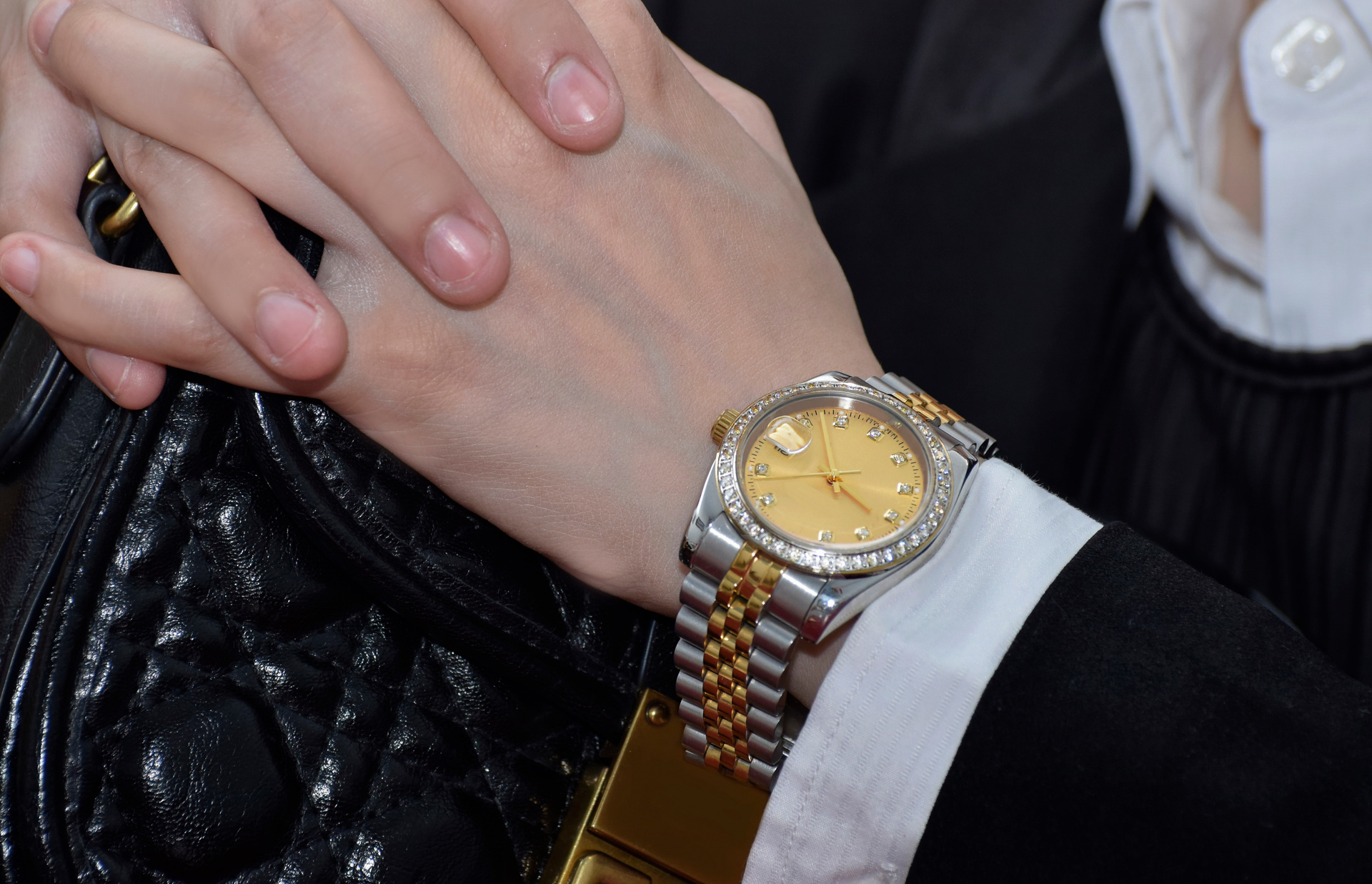

Mechanical watches represent a combination of precision engineering and traditional craftsmanship that has existed for centuries”
BATON ROUGE, LA, UNITED STATES, June 12, 2026 /EINPresswire.com/ -- Mechanical watches have remained enduring symbols of craftsmanship, engineering, and personal history for generations. While modern technology has introduced a wide range of electronic timekeeping devices, mechanical timepieces continue to attract collectors, enthusiasts, and individuals who appreciate traditional watchmaking. As these intricate devices age, professional watch repair and maintenance play an important role in preserving both functionality and long-term value.— Ken Bowers
Unlike quartz watches, which rely on battery-powered electronic movements, mechanical watches operate through a complex system of gears, springs, jewels, levers, and other precision components. Many mechanical movements contain well over one hundred individual parts working together to measure the passage of time. The accuracy and reliability of these components depend on proper lubrication, adjustment, and periodic maintenance.
Mechanical watches are often designed to operate for decades and, in many cases, generations. However, like any precision machine, internal components experience wear over time. Lubricants gradually break down, seals age, and moving parts can become affected by contamination, moisture, impacts, or normal use. Without appropriate service, these factors may influence performance and potentially contribute to mechanical damage.
Watch repair professionals frequently compare mechanical watches to other finely engineered equipment. While a watch may continue running for years without attention, routine maintenance helps address developing issues before they become more significant. Preventive servicing can help reduce wear, preserve accuracy, and support the long-term health of the movement.
One of the most common reasons mechanical watches require service involves lubricant deterioration. Specialized oils are applied to specific movement components during assembly and servicing. These lubricants help reduce friction between moving parts. As oils age, they may dry out, migrate, or lose effectiveness, increasing stress on critical components throughout the movement.
Cleaning is another important aspect of watch preservation. Dust, microscopic debris, moisture intrusion, and environmental contaminants can affect movement performance over time. During a professional service, watchmakers typically disassemble the movement, clean individual components, inspect parts for wear, and reassemble the mechanism according to manufacturer specifications or accepted industry standards.
Mechanical watches are also vulnerable to external factors that may not be immediately noticeable. Accidental impacts, magnetic exposure, water intrusion, and temperature fluctuations can influence movement performance and accuracy. Professional evaluations often help identify conditions that may otherwise go undetected until more significant issues develop.
Vintage watches present additional preservation challenges. Many older timepieces contain discontinued components or unique movement designs that require specialized knowledge and repair techniques. In these situations, watchmakers may spend considerable time sourcing parts, fabricating components, or performing detailed restoration work to maintain originality while preserving functionality.
Collectors frequently view professional maintenance as an important part of preserving both the historical and financial significance of mechanical watches. Timepieces passed down through families often carry sentimental value that extends beyond their monetary worth. Proper repair and servicing can help ensure these pieces remain operational for future generations.
Case restoration, crystal replacement, bracelet repair, crown servicing, gasket replacement, and dial preservation are among the additional services commonly associated with watch repair. While movement performance remains a primary focus, external components also contribute to the overall condition and usability of a timepiece.
Water resistance is another area that often requires periodic attention. Gaskets and seals designed to protect the movement can deteriorate over time. Routine inspections and replacement of these components help maintain protection against moisture and environmental exposure.
According to Ken Bowers, owner of KenWorks in Metairie, professional watch repair serves an important role in preserving the craftsmanship and engineering found within mechanical timepieces.
"Mechanical watches represent a combination of precision engineering and traditional craftsmanship that has existed for centuries," said Bowers. "Routine service and proper repair help protect those movements from unnecessary wear and allow many timepieces to continue operating for decades beyond their original manufacture date."
The growing popularity of luxury watch collecting has increased awareness regarding proper maintenance practices. Enthusiasts often seek professional evaluations when purchasing vintage watches, inheriting family heirlooms, or maintaining modern mechanical models. Understanding the condition of a movement can provide valuable insight into future service needs and overall performance expectations.
Advancements in watchmaking technology have introduced new materials, manufacturing methods, and movement designs, yet the fundamental principles of mechanical timekeeping remain largely unchanged. Precision components still rely on careful adjustment, lubrication, and maintenance to function properly.
As interest in mechanical watches continues across multiple generations, professional repair services remain an important part of preserving these intricate devices. Whether maintaining a recently acquired luxury watch, restoring a vintage heirloom, or servicing a daily-wear timepiece, skilled repair work helps support both functionality and historical continuity.
Mechanical watches occupy a unique place within the world of personal possessions. Unlike many consumer products designed for eventual replacement, properly maintained mechanical timepieces can remain functional for decades. Through routine service, careful restoration, and professional repair, these miniature mechanical systems continue measuring time while preserving the craftsmanship, history, and engineering that make them distinctive.
As collectors and owners increasingly recognize the long-term value of preservation, watch repair remains a critical component of ensuring mechanical timepieces continue operating for future generations to appreciate and enjoy.
Morgan Thomas
Rhino Digital, LLC
+1 504-875-5036
email us here
Visit us on social media:
Facebook
Legal Disclaimer:
EIN Presswire provides this news content "as is" without warranty of any kind. We do not accept any responsibility or liability for the accuracy, content, images, videos, licenses, completeness, legality, or reliability of the information contained in this article. If you have any complaints or copyright issues related to this article, kindly contact the author above.
